
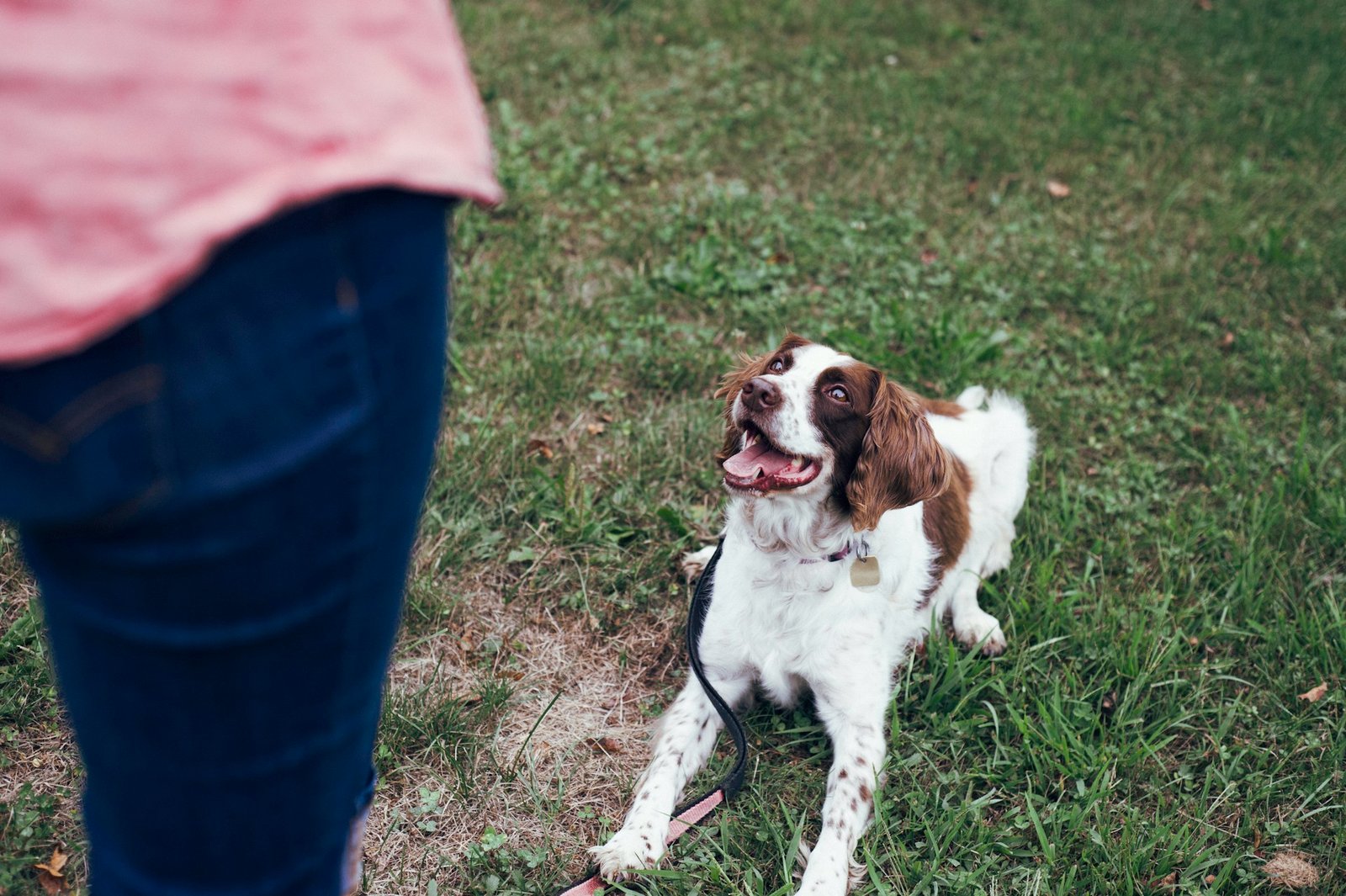
Dogs cannot use words, but that does not mean they are silent. Every wag, glance, and shift in posture is part of a conversation. If you learn to read it, you get a clearer picture of how your dog feels in any given moment, and that makes life easier for both of you.
Most people think they already understand their dog. A wagging tail means happy, right? Not always. Dog body language is layered, and a single signal rarely tells the whole story. To really understand what your dog is saying, you need to look at the whole dog, not just one part of it.
Why Body Language Matters More Than You Think
Dogs communicate constantly through their bodies because it is their most natural language. Long before they learned to live alongside humans, dogs relied on posture, movement, and expression to talk to each other, warn off threats, and build trust. That instinct never went away. When your dog leans into you, freezes at the sound of a doorbell, or turns away during a hug, they are telling you something real.
Understanding this language is not just a fun party trick. It helps you catch stress before it turns into a bigger problem, recognize pain your dog cannot describe in words, and build a relationship based on trust instead of guesswork. A dog who feels understood is calmer, more confident, and easier to live with.
The Tail Tells Part of the Story, Not All of It
Let’s start with the most misunderstood signal of all, the tail. A wagging tail does not automatically mean a happy dog. What matters is the speed, height, and direction of the wag. A loose, wide wag at a relaxed height usually does mean friendliness. A stiff, high wag that moves quickly and tightly can actually signal alertness or even aggression. A low, slow wag often points to uncertainty or worry.
Position matters too. A tail held naturally suggests a relaxed dog, while a tail tucked tightly under the body usually means fear or submission. The key is to watch the tail as part of the bigger picture rather than reading it on its own.
Ears and Eyes Reveal a Lot
The face is one of the richest sources of information a dog gives you. Ears that are relaxed and sitting in their natural position usually mean a calm dog. Ears pinned flat against the head often signal fear or submission, while ears pushed forward and held rigid can mean alertness or tension.
Eyes are just as telling. Soft, blinking eyes usually belong to a relaxed dog. Wide eyes that show more white than usual, sometimes called whale eye, are a common sign of stress or discomfort. A hard, fixed stare is very different from a soft glance, and it often means your dog feels threatened or is about to react defensively.
Reading the Whole Body
Beyond the tail and face, your dog’s overall posture speaks volumes. A relaxed dog usually has a loose, wiggly body with smooth, easy movements. Weight shifted forward, with the body leaning toward something, often shows interest or confidence. Weight shifted backward, especially with a lowered body, usually points to fear or a desire to create distance.
A play bow, where the front legs stretch out and the chest lowers while the back end stays up, is one of the clearest and most joyful signals in a dog’s vocabulary. It is an invitation, a way of saying this is fun, not a threat. On the other end of the spectrum, a stiff, frozen body with weight evenly planted is often a warning sign that your dog is uncomfortable and may need space.
Calming Signals: The Quiet Language of Reassurance
Dogs also use a set of subtle behaviors known as calming signals. These are small actions meant to ease tension, whether the dog is feeling stressed themselves or trying to defuse a tense situation with another dog or a person. A quick lip lick when no food is around, a sudden yawn during a stressful moment, turning the head away, or sniffing the ground out of nowhere can all be calming signals.
These behaviors are easy to miss because they happen fast and often look unrelated to what is going on. Once you start noticing them, though, you will see them everywhere, and they offer an early warning system for stress long before it turns into growling or snapping.
Signs Your Dog Might Be Uncomfortable
It helps to know what discomfort actually looks like before it escalates. A tucked tail, pinned ears, and a lowered body are the classic combination. So is excessive panting when it is not hot outside, trembling, or a stiff, still posture that looks different from your dog’s usual relaxed self. Some dogs also show a closed mouth and tense jaw when they normally pant softly with a relaxed mouth.
None of these signs on their own is proof of a problem. Context always matters. A dog panting after a run is not stressed, but a dog panting while standing frozen near a stranger probably is. Learning your own dog’s normal baseline makes it much easier to notice when something is off.
Context Is Everything
No single signal tells the full story. A wagging tail paired with a stiff body and a hard stare means something very different from a wagging tail paired with a loose, wiggly body and soft eyes. The best way to read your dog is to look at several signals together and consider the situation they are in. Are they meeting a new dog, hearing a loud noise, or simply relaxing at home? The same posture can mean different things depending on what is happening around your dog.
Bringing It All Together
Learning to read dog body language is not about memorizing a checklist. It is about slowing down and paying attention. The more time you spend watching your dog in different situations, the more natural this understanding becomes. Over time, you will start to notice small shifts you never saw before, a slightly stiffer stance, a quicker lip lick, a subtle change in how they hold their ears.
This kind of attention builds real trust. Your dog learns that you notice, that you respond, and that you keep them safe when things feel uncertain. In return, you get a companion who feels truly understood, which is, in the end, what every good relationship is built on.
Reference:
- Texas A&M College of Veterinary Medicine & Biomedical Sciences (VMBS News) — covers tail position, ears, whale eye, lip-smacking, and how illness can also show up in body language. A veterinary technician there explains that a frightened dog may tuck its tail while an alert or nervous dog carries its tail high and may wag it vigorously, and that showing the whites of the eyes, known as whale eye, indicates a scared dog.
https://vetmed.tamu.edu/news/pet-talk/understanding-canine-body-language/ Texas A&M VetMed - Best Friends Animal Society — good source for tail positions and calming/displacement behaviors. It explains that a high, stiff wag can signal agitation while a loose wag that isn’t too high or too low usually means the dog is comfortable and friendly, and that stressed dogs often show calming signals such as lip-licking or looking away.
https://bestfriends.org/pet-care-resources/dog-body-language-signs-comfort-stress-and-more Best Friends Animal Society - Pet Partners — useful for the “context matters” argument and ties body language reading to bite prevention. The piece notes that the American Veterinary Medical Association considers reading a dog’s body language a key step in bite prevention.
https://petpartners.org/8-tell-tail-signs-your-dog-is-stressed-during-a-visit/ Pet Partners - Chewy, reviewed by a board-certified veterinary behaviorist (Dr. Kelly Ballantyne, DVM, DACVB) — strong source for the tail and “look at the whole picture” section. Ballantyne explains that a very loose tail wag with a loose, wiggly hind end signals a happy, cheerful dog, while a very stiff wag means you may need to step back because the dog could be preparing for a negative interaction.
https://www.chewy.com/education/dog/general/decoding-dogs-body-language Chewy - ASPCApro (ASPCA’s professional resource hub) — the most detailed, clinically precise source, good for the calming signals and fear sections. It describes how ears pinned tightly back, combined with body tension, a tucked tail, lip licking, yawning, and averted or “whale” eyes, together signal stress, overwhelm, or fearfulness.
https://www.aspcapro.org/resource/7-tips-canine-body-language ASPCApro - PetMD, reviewed by veterinarians (Dr. Sandra Mitchell, DVM; Dr. Barri Morrison, DVM) — solid source for the “read the whole dog, not one signal” framing. It states plainly that dog body language must be read as a whole rather than by a single signal like tail wagging, since a wagging tail does not always mean a happy dog.
https://www.petmd.com/dog/behavior/how-to-read-dog-body-language PetMD