
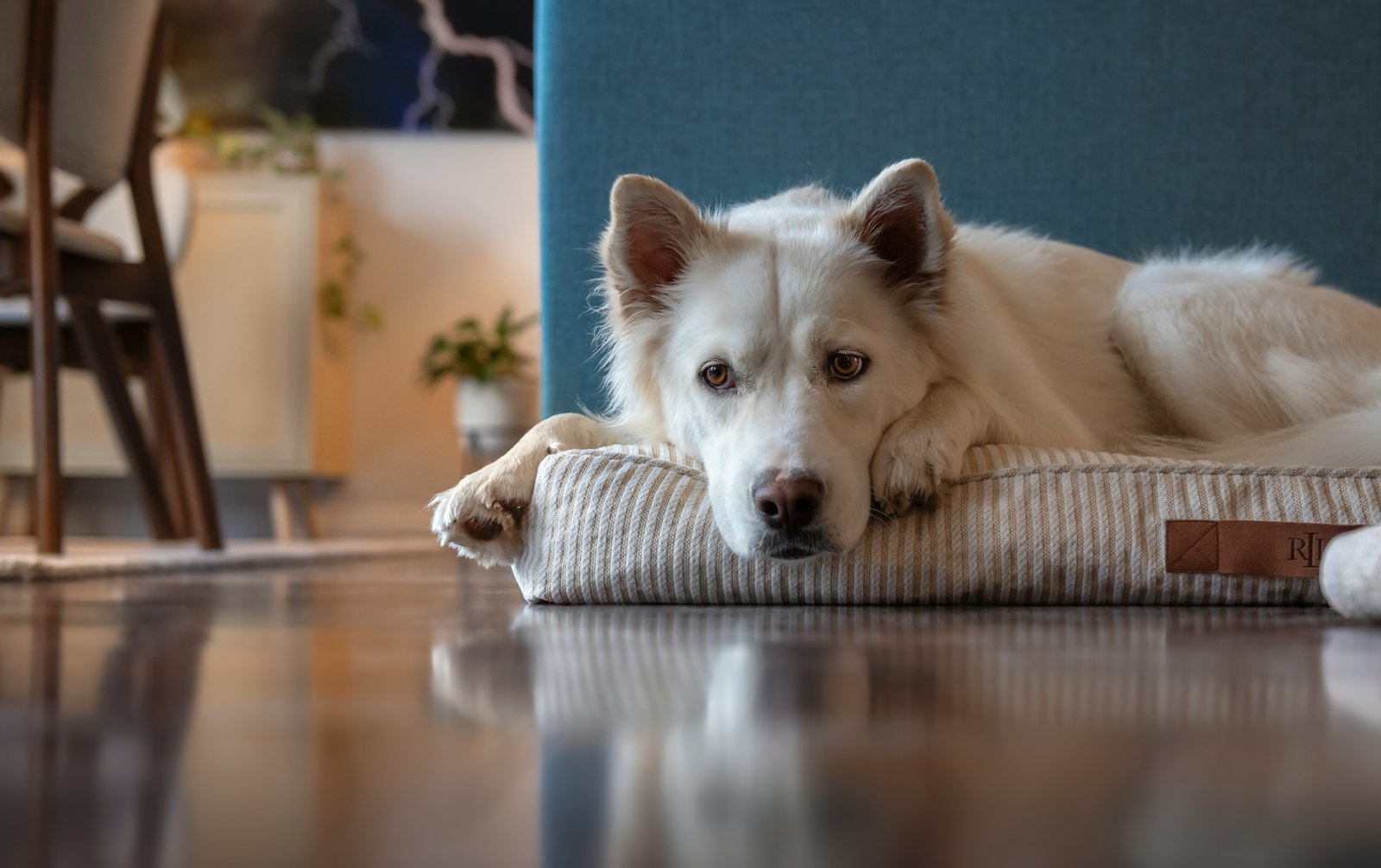
Living in an apartment doesn’t mean you have to give up on the dream of owning a dog. Plenty of people assume that dogs need a big backyard to be happy, but that’s not entirely true. What matters more is a dog’s energy level, temperament, and how well it adapts to a smaller living space. If you’re an apartment dweller dreaming of a furry companion, this guide will help you understand which breeds tend to do best indoors, and how to set your future dog up for a happy life, no matter the square footage.
Why Breed Matters When Space Is Limited
Not every dog is built for apartment life. Some breeds have high energy levels and need room to run, while others are naturally calm and content curling up on a couch. Size is often the first thing people think about, but it’s not the only factor. A large dog with a relaxed personality can sometimes do better in an apartment than a small dog with boundless energy. Temperament, exercise needs, and noise tendencies all play a role in how well a dog adjusts to close quarters.
Before choosing a breed, it helps to think honestly about your lifestyle. Do you work long hours? Do you enjoy daily walks? Are your neighbors close by and easily bothered by barking? These questions will guide you toward a dog that fits your life, rather than one that constantly struggles against it.
French Bulldog
French Bulldogs have become a favorite among city dwellers, and it’s easy to see why. They are small, low energy, and don’t require much exercise beyond short walks and some playtime. Their calm nature makes them well suited to quiet apartment living. They also tend to be quite affectionate, often preferring to be near their owners rather than exploring on their own. One thing to keep in mind is that French Bulldogs can have breathing difficulties due to their flat faces, so they don’t do well in extreme heat and should avoid overly strenuous activity.
Cavalier King Charles Spaniel
This breed is gentle, adaptable, and genuinely enjoys human company. Cavalier King Charles Spaniels are known for their sweet temperament and moderate exercise needs. A couple of walks a day combined with some indoor playtime is usually enough to keep them content. They’re also quiet by nature, which is a big plus if you share walls with neighbors. Their affectionate personality makes them a wonderful companion for people who want a dog that’s happy simply being close to them.
Basset Hound
It might surprise you to see a Basset Hound on this list, but their laid back personality makes them surprisingly well suited to apartment life. They are not high energy dogs and are perfectly happy lounging around for most of the day. Their exercise needs are moderate, and a daily walk usually keeps them satisfied. Basset Hounds are also known for being calm and easygoing, though their deep bark and howl can occasionally be an issue if you have thin walls.
Greyhound
Many people are surprised to learn that Greyhounds make excellent apartment dogs. Despite their reputation as racing dogs, they are actually quite low energy indoors and often described as couch potatoes. They enjoy short bursts of activity followed by long naps. Greyhounds are also generally quiet and gentle, making them a good fit for close quarters, as long as their moderate exercise needs are met through regular walks.
Bichon Frise
Bichon Frises are cheerful, affectionate, and adaptable dogs that do well in smaller spaces. They don’t shed much, which is a bonus for apartment cleanliness, and their moderate exercise needs make them manageable even for busy owners. They do enjoy interaction and mental stimulation, so toys and playtime are important to keep them happy and prevent boredom related behaviors.
Pug
Pugs are affectionate, playful, and don’t need a lot of space to feel content. Their exercise requirements are modest, and they’re generally happy with short walks and some indoor play. Like French Bulldogs, Pugs have flat faces that can lead to breathing issues, so it’s important to avoid overexertion, especially in hot weather. Their friendly and easygoing nature makes them a popular choice for apartment living.
Beyond the Breed: Setting Your Dog Up for Success
While breed matters, it’s not the only piece of the puzzle. Any dog, regardless of size or breed, can thrive in an apartment if their physical and mental needs are met. Regular walks, even for low energy breeds, are important for both health and mental stimulation. Interactive toys can help keep a dog engaged when you’re busy or away. Establishing a consistent routine also helps dogs feel secure, which often reduces anxiety related behaviors like excessive barking or destructiveness.
It’s also worth considering training early on, especially around noise control, since apartment living often means closer proximity to neighbors. A well trained dog that understands basic commands and has learned to settle down calmly is generally easier to manage in a smaller space.
Final Thoughts
Choosing the right dog for apartment living isn’t just about picking the smallest breed you can find. It’s about matching a dog’s temperament and energy level with your own lifestyle and living space. Breeds like the French Bulldog, Cavalier King Charles Spaniel, Basset Hound, Greyhound, Bichon Frise, and Pug are all known for adapting well to smaller homes, but every dog is an individual. Spending time getting to know a dog’s personality, whether through a breeder, shelter, or rescue organization, will always be the best way to find a companion that fits your apartment life.
At the end of the day, a happy dog in an apartment isn’t about square footage. It’s about love, attention, and understanding what that particular dog needs to thrive.